What the research says
Dry skin on your face in winter, and why it feels tight after washing. In a British study, women had far fewer lipids, the fatty "mortar" between skin cells, in the top layer of their skin in winter than in spring and summer, and dry air from indoor heating and washing add to that
Once it gets cold, your face turns rough and flaky, and after washing your skin feels so tight that you want to put something on it right away. Below we look at why the skin on your face gets dry in winter, why it feels tight after washing and what dermatologists advise.
01The worry
In winter your face gets flaky, and after washing your skin feels tight
When the cold comes, a lot of people notice that the skin on their face has changed. Cheeks and forehead feel rough, it flakes around the nose, your face feels tight after washing, and sometimes even moisturizer doesn't help.
People keep asking the same things. Why does skin get dry in winter in particular, is tap water to blame, and is it true that moisturizer harms your skin in the cold?
Scientists have tested the first question. In the UK, researchers took the top layer of skin from the face, hand and lower leg of women of different ages with sticky tape, in different seasons. In winter there were far fewer lipids, the fatty "mortar" between skin cells, on all of these areas than in spring and summer. The study was done by researchers at Unilever.
But winter is only part of the story. We gathered research on people and dermatologists' advice, and here we explain how indoor heat and washing dry out the skin on your face and what to do about it.
What people say online
- “My face feels tight and stings after I wash it. What do I do?”
- “When it gets cold my forehead and cheeks are dry all the time.”
- “Bought a soap for my face and after I use it my skin squeaks. Is that good or bad? What does that even mean?”
- “The skin on my face is dry like sandpaper...what do I do?”
02Winter
Why the skin on your face gets dry and flaky in winter
The very top layer of skin is called the stratum corneum. Between its cells sit lipids, which are fatty substances, and ceramides are among them. You can picture it all as bricks and mortar, with the cells as bricks and the lipids as mortar.
The British study we mentioned above had a second finding too. With age there were fewer lipids, and especially fewer ceramides.
The same Unilever researchers noticed that the makeup of the lipids changes in winter as well. One of the skin's ceramides had less linoleic fatty acid and more oleic acid. The authors write that this winter shortage of lipids, especially ceramides, is probably linked to dry skin showing up at this time of year.
A link between ceramides and dryness was also seen in Japan. In 20 people with dry skin on their lower legs, dryness, roughness and flaking closely matched the level of ceramides in the top layer of skin. The fewer ceramides, the drier the skin. That's a link, not a proven cause. The study's first author works for the cosmetics company Kao.
Your face has it especially hard in winter. Dermatologists at Tohoku University in Japan write that the top layer of exposed facial skin is in much worse shape in a dry, cold winter than in the same people in a warm, humid summer. In another study, the forehead skin of eight Japanese women was drier indoors in winter than in summer.
Almost all of these studies are small, and some of them were done by cosmetics companies. But they all agree that in winter the top layer of skin is in worse shape and works worse than in summer.
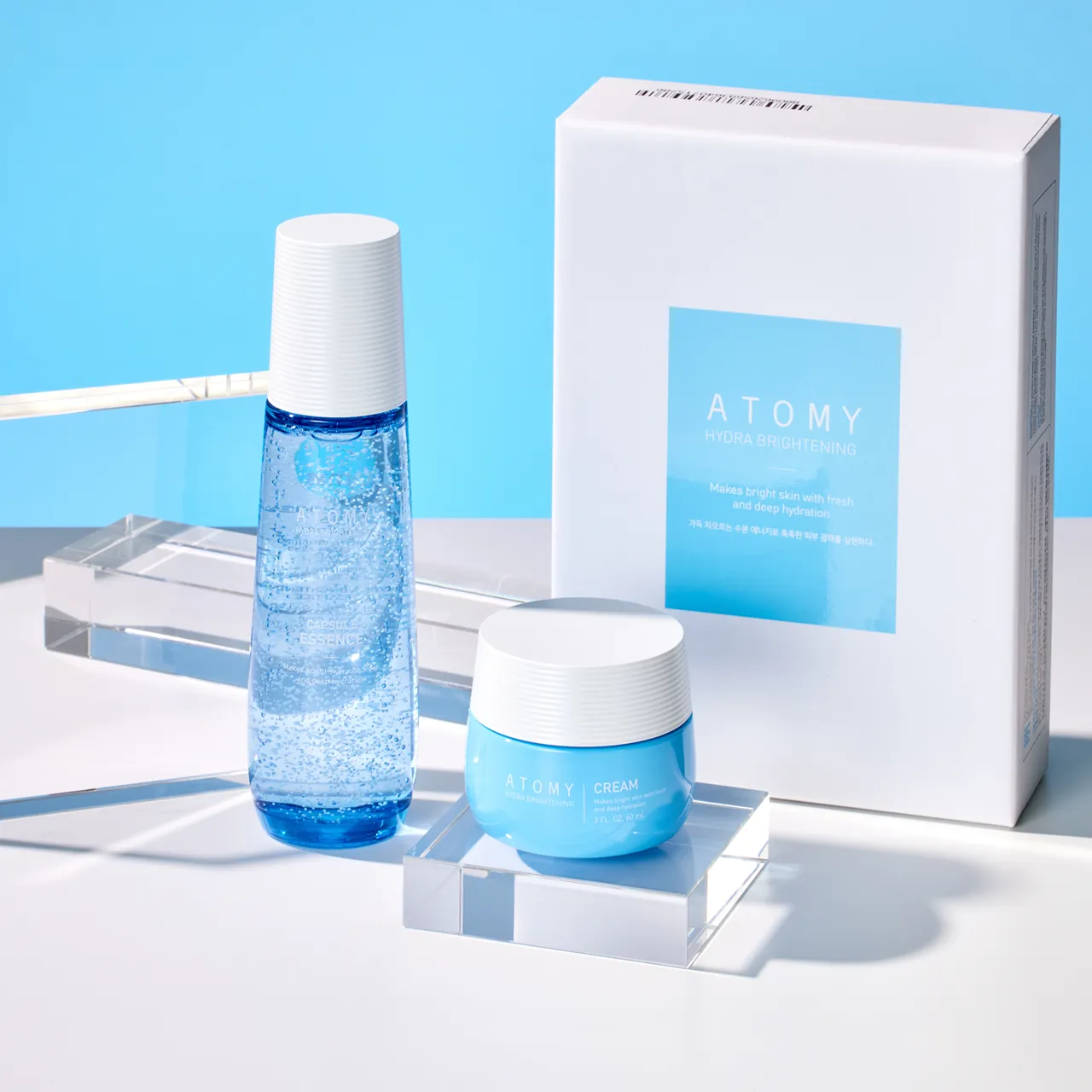
In winter your face needs care both indoors and outside. Our catalog has a set with a capsule essence and a cream with birch tree sap and seaberry for rich hydration and radiance. We gathered its ingredients on a separate page.
See the essence and cream03Indoor heat
Does indoor heating dry out the skin on your face
In winter we spend almost all day indoors with the heat on. The air there is warm and dry, and that matters to your skin.
The Japanese cosmetics company Shiseido tested what dry air does to skin. After just three hours in dry air, there was less water in the top layer of skin on the cheek and forearm, and the difference was statistically significant, meaning it wasn't due to chance. The pattern of the skin's surface changed too.
In Korea, women sat for 6 hours in a room where a heater kept it at 25°C (77°F) and the humidity was below 20%. Over that time, water loss through the skin of the forearm went up by 26.7%. On the face, hydration and water loss didn't change, and the authors explain that by the skin's oil. But roughness and redness of the face, as measured by a device, went up. The study was done by employees of the company Celltem Pharm.
How warm the room is matters too. In Finnish offices, the feeling of dryness got worse with every degree above 22°C (about 72°F), both when the air was humidified and when it wasn't. In another trial, the air in one wing of an office building was humidified to 30–40% and in the other it wasn't, and 211 workers complained of dryness less often in the weeks with humidified air. In both studies, people rated their overall dryness of skin, eyes, throat and nose themselves.
04Washing
Why your face feels tight after washing
Lots of people think a tight feeling after washing means your skin is clean. But the UK's National Health Service, the NHS, writes that regular soaps and shower gels tend to dry out the skin.
Why the tight feeling itself happens isn't fully clear. The authors of one study, which L'Oréal took part in, suggest it's mechanical, because the cleanser makes the top layer of skin stiffer. In their study, how tight women's skin felt didn't match measurements of skin hydration. But this is one study, and its summary doesn't say how many women took part.
The American Academy of Dermatology, the AAD, brings together dermatologists in the US. For washing your face, it advises a gentle cleanser with no alcohol and nothing abrasive, meaning no hard particles that rub the skin. The AAD advises wetting your face with lukewarm water and applying the cleanser with your fingertips, because a washcloth, a sponge or anything other than your fingertips can irritate the skin. It advises washing no more than twice a day, and also after you sweat.
After washing, care with the set from our catalog takes 2 steps, first the capsule essence and then the cream. Both absorb quickly and leave no sticky feel, and we gathered their ingredients on the set's page.
See the essence and cream05Water and soap
Is it bad to wash your face with hot water and soap
How water temperature affects skin has been tested in an experiment. For four days in a row, ten volunteers had a 5% solution of a cleansing ingredient, sodium lauryl sulfate, put on their forearms at 4, 20 and 40°C (39, 68 and 104°F). The warmer the solution, the more the skin was damaged, and the authors write that water temperature during washing strongly affects whether irritation shows up.
A solution like that four days in a row is harsher than normal face washing, and it wasn't tested on the face. Dermatologists' advice doesn't contradict the experiment. The AAD advises wetting your face with lukewarm water and taking a 5 to 10 minute shower or bath.
Soap has its own problem. In a study of 330 people, the skin's natural acidity, its pH, averaged 4.7, which is below 5. Even tap water in Europe, with a pH of about 8, raises skin pH for up to 6 hours. And out of 64 soaps that were tested, 53 had a pH of 9 to 10, which means they're alkaline. The study on skin and water was done by researchers at the company Sara Lee. The soap study measured the soaps themselves, not skin.
Many people blame hard water, and there's some reason for that. In one experiment, 80 people, some healthy and some with eczema, which doctors call atopic dermatitis, washed their skin with sodium lauryl sulfate in water of different hardness. After hard water, significantly more of the cleansing ingredient stayed on the skin, and the skin lost more water, most of all in some of the people with eczema. This study was paid for by Harvey, a maker of water softeners. It didn't test whether a softener helps at home.
06Moisturizer
What moisturizer to use in winter and when to put it on
Doctors advise not leaving your skin without moisturizer after washing. The NHS writes that emollients, which are softening moisturizers, cover the skin with a protective film that holds in moisture. According to the NHS, it's best to put them on after washing, as soon as you've patted your skin dry.
Your face needs them in particular. The NHS explains that your face and hands are exposed to the weather more than any other part of your body. And the AAD advises applying moisturizer while your skin is still damp after washing.
The benefit of moisturizer in winter was tested right on the face. In Japan, 16 young women put moisturizer on one half of their face twice a day for 6 weeks and left the other half without it. On the side with the moisturizer, the skin was significantly more hydrated and lost less water.
Which moisturizer to choose isn't known for sure. Cochrane, an organization that reviews medical research, pooled 77 trials of moisturizers in people with eczema and didn't find reliable evidence that one moisturizer is better than another. At the same time, the AAD writes that ointments and creams give the skin more moisture and are more effective than lotions.
But some things about ingredients are known. A British pharmacy product called "aqueous cream," with about 1% of the same cleansing ingredient, sodium lauryl sulfate, made the top layer of skin thinner by 12% on average on the forearms of six volunteers. The NHS advises people with eczema not to use it, because it can irritate the skin. In a trial with 78 volunteers, creams with a simpler formula and a gel with no lipids raised water loss through the skin over 7 weeks, while a regular cream did the opposite. The authors write that which way a product works depends on what's in it.
The page for the set with birch tree sap and seaberry lists the ingredients of the essence and the cream and the order you apply them in.
See the essence and cream07What to do
What to do if the skin on your face gets dry in winter
Wash with lukewarm water
The AAD advises wetting your face with lukewarm water, and in an experiment with 10 volunteers, a cleansing ingredient in a 40°C (104°F) solution irritated the skin more than at 20°C (68°F) and 4°C (39°F).
Use a gentle cleanser instead of soap
The NHS writes that regular soaps and shower gels tend to dry out the skin, and the AAD advises a gentle, non-abrasive cleanser with no alcohol, applied with your fingertips instead of a washcloth.
Wash no more than twice a day
That's what the AAD advises, plus washing after you sweat.
Put on moisturizer while your skin is damp
The AAD advises applying moisturizer to skin that's still damp, and the NHS writes that your face and hands are the most exposed to the weather and need moisturizer in particular.
Look at what's in your cream
In a trial with 78 volunteers, some creams raised water loss through the skin while a regular cream did the opposite, and the authors write that which way a product works depends on what's in it. A Cochrane review that pooled trials in people with eczema didn't find reliable evidence that one moisturizer is better than another. And the NHS advises people with eczema not to use British "aqueous cream," which contains a cleansing ingredient.
Don't overheat the room
In Finnish offices, the feeling of dryness got worse with every degree above 22°C (about 72°F). If you have a humidifier, the AAD advises putting it in your bedroom and running it at night.
08Myths
Squeaky skin, plain water and moisturizer in the cold — what's known about winter tips
- Myth
If your skin squeaks after washing, that means it's clean
FactThe NHS writes that regular soaps and shower gels tend to dry out the skin. The AAD advises washing your face with a gentle, non-abrasive cleanser with no alcohol, lukewarm water and your fingertips.
Source 10 - Myth
It's best to wash your face with just water and no products
FactSkin pH averages about 4.7, and tap water in Europe, with a pH of about 8, raises it for up to 6 hours. The AAD advises washing with a gentle, non-abrasive cleanser with no alcohol, and the NHS writes that it's best to put on a moisturizer after washing, as soon as you've patted your skin dry.
Source 15 - See the essence and cream
- Myth
You shouldn't use moisturizer in winter because the water in it will freeze in the cold
FactWe didn't find experiments where moisturizer put on before going out in the cold harmed the skin. And in a Japanese experiment, 16 women put moisturizer on half of their face for 6 weeks, and that side was more hydrated and lost less water.
Source 04 - Myth
Dry skin only needs a thick cream, and lotion is useless
FactThe AAD writes that ointments and creams are more effective than lotions. But a Cochrane review that pooled 77 trials in people with eczema didn't find reliable evidence that one moisturizer is better than another.
Source 18
The set from our catalog with birch tree sap and seaberry quickly hydrates and nourishes dry, tired skin.
See the essence and cream09Sources
What the sources actually say
Stratum corneum lipids taken with tape from the face, hand and leg of women of different ages. In winter, all areas had far fewer lipids than in spring and summer, and with age the levels of all major lipids, especially ceramides, dropped significantly. The authors are from a Unilever research center.
In winter there are far fewer lipids, especially ceramides, which is probably linked to dry skin showing up at this time of year. In the winter months, ceramide 1 has less linoleic acid and more oleic acid. The authors are from Unilever Research.
20 people with dry skin on their lower legs. Measures of dryness (conductance, dryness, roughness, flaking) were strongly linked to the level of ceramides in the stratum corneum. The first author is from Kao Corporation.
Exposed facial skin shows much worse stratum corneum properties in a dry, cold winter than in the same people in a warm, humid summer. 16 young women applied moisturizer to one half of their face twice a day for 6 weeks, and the other half had none. On the side with the moisturizer, hydration was significantly higher and water loss through the skin was lower.
- See the essence and cream
Eight healthy Japanese women, February–March and July. In a room without a water mist sprayer, skin conductance (a measure of how hydrated it is) on the forehead and at the outer corner of the eye was significantly higher in summer than in winter.
Short stay in a low-humidity environment. Water content of the stratum corneum on the cheek and forearm dropped significantly at 3 and 6 hours, and the pattern of the skin surface changed. The authors are from a Shiseido research center.
Korean women aged 20 to 59, January and February. 6 hours at 25°C (77°F) and humidity below 20% (heater). Water loss on the forearm went up by 26.7% over 6 hours, while hydration and water loss on the face didn't change significantly (the authors explain this by skin oil). Roughness and redness of the face, as measured by a device, went up. 20 participants (face) and 12 (forearm). The authors are from the research institute of Celltem Pharm.
Office workers, 230 questionnaires without humidification and 233 with it. Symptoms and the feeling of dryness got stronger with every degree above 22°C (about 72°F), with or without humidification.
- See the essence and cream
Crossover trial in the Pasila office center, 211 workers in the analysis. One wing was humidified to 30–40%, the other wasn't (natural humidity 20–30%). The dryness symptom score (skin, eyes, throat, nose) was significantly lower during humidification.
Regular soaps, shampoos and shower gels tend to dry out the skin. Emollients cover the skin with a protective film that holds in moisture. It's best to apply them after washing, as soon as the skin is patted dry, and they matter especially for the hands and face, which are the most exposed to the weather.
The cleanser made the stratum corneum stiffer in all the women. No link was found between the feeling of tightness and hydration by corneometer or water loss. The number of participants isn't given in the summary. The study involved L'Oréal.
A gentle, non-abrasive, alcohol-free cleanser. Wet your face with lukewarm water and apply the cleanser with your fingertips, because a washcloth, mesh sponge or anything other than your fingertips can irritate the skin. Wash no more than twice a day and after sweating.
- See the essence and cream
10 people, 4 days of 5% sodium lauryl sulfate at 4, 20 and 40°C on the forearm. Skin damage was greater on areas with the warmer solution, and water temperature during washing strongly affects whether irritation shows up.
A 5 to 10 minute bath or shower with warm water. Apply moisturizer while the skin is still damp. Ointments and creams are more effective than lotions. A portable humidifier goes in the bedroom at night. If dryness doesn't go away, it's time to see a dermatologist.
330 people. Natural skin pH averaged 4.7, below 5, and tap water in Europe with a pH of about 8.0 raises skin pH for up to 6 hours. The authors are from Sara Lee Household and Body Care Research.
Of 64 soaps tested, 53 had a pH from 9.01 to 10, and only two samples were in the skin's pH range.
- See the essence and cream
80 participants. After washing with hard water, significantly more sodium lauryl sulfate residue stayed on the skin, and the residue raised water loss through the skin and irritated it. The study was paid for by Harvey Water Softeners, the maker of the softener being tested.
Cochrane review of 77 studies with 6,603 participants with eczema. No reliable evidence was found that one moisturizer is better than another.
Forearms of six volunteers. British pharmacy "aqueous cream" with about 1% sodium lauryl sulfate made the stratum corneum of healthy skin thinner by 12% on average and raised water loss through the skin by 20%.
78 volunteers, 5 groups, 7 weeks on one forearm. Simplified creams and a lipid-free gel raised water loss through the skin and the reaction to sodium lauryl sulfate, while a regular cream did the opposite. The direction of the effect depends on the product's formula.
- See the essence and cream
Don't use aqueous cream, because it can irritate the skin. Get an urgent appointment if eczema skin has blisters or crusts, is weeping or has pus spots, hurts, is swollen or hot, or has suddenly gotten much worse or spread.
10Products
A hydrating face care set from our catalog
- R00757
Atomy Hydra Brightening Care Set
A capsule essence and cream with birch tree sap and seaberry fruit extract. Rich hydration in 2 steps, quick to absorb, with a fresh, non-sticky finish.
Description from the product page on us.atomy.com
Learn more
11Sign up
If you decide to buy, choose the country where you live
Sign-up and purchase happen on the Atomy website; we do not sell products, and Yandex Metrica counts visits only if you agree.